 Baikal Shore
any season
Planning a Baikal trip, carefully
Baikal is enormous, the seasons are extreme, and travel to Russia is complicated. A calm look at seasons, distances, the railway and the current advice you need to read first.
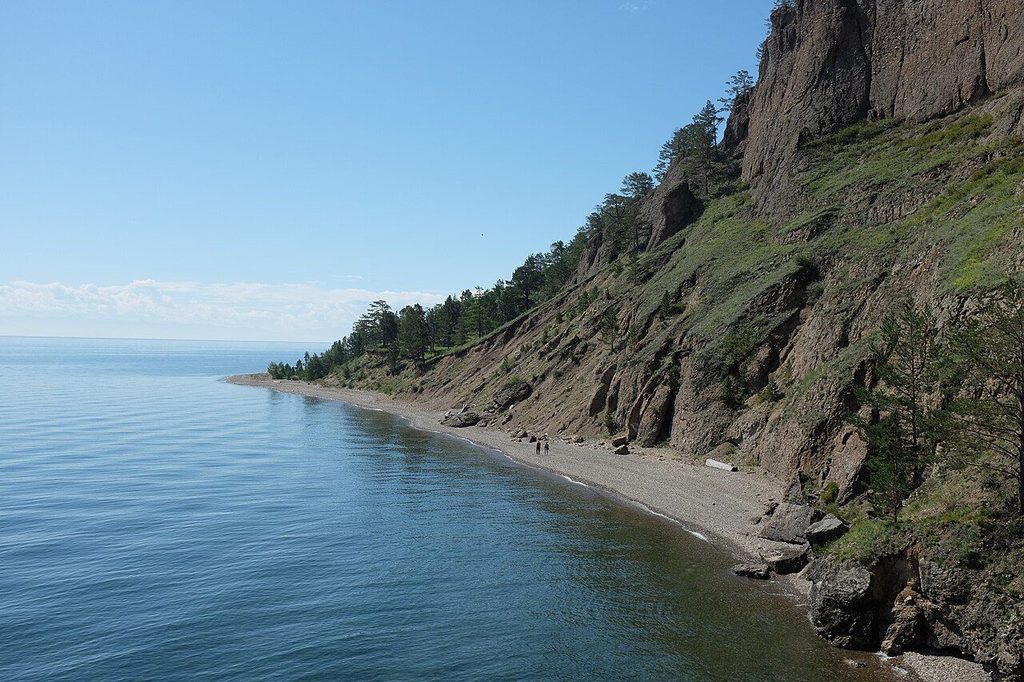 CC BY-SA 2.0, Ludger Heide
Distances around Baikal are long and roads can be slow. Allow more time than the map suggests, and keep spare days for weather, ferries and ice routes.
Lake Baikal is huge. It stretches about 600 kilometres from end to end, and its shores range from busy villages to roadless forest. A good trip here starts with realistic plans: choose a season, pick one or two areas, and allow time for distances, weather and the complications of travelling in Russia today.
Many governments advise against all or most travel there, and their advice can change quickly. That advice may affect your safety, your consular support, your insurance and your ability to leave.
Sanctions affect travel in practical ways. Payment cards issued outside Russia often do not work in the country, so travellers have had to rely on cash or other arrangements. Flight routes have changed and been reduced. Visa rules, entry requirements and registration rules change, and they depend on your nationality. Check everything with official sources close to your departure date, not from older guides or travellers' accounts.
Make sure your travel insurance covers the destination.
Choosing a season
Baikal has two main travel seasons, and they are very different.
Winter ice. From around late February to March, the lake is usually frozen hard enough for people to walk on in many places, with clear ice and hummocks. It is very cold, often far below freezing, and windy. Ice conditions vary; our note on Baikal's winter ice explains why local advice matters.
Summer. From June to September, the shores are open for walking, boats run and the days are long. July and August are the warmest and busiest months. The water stays cold all summer.
Between these seasons are the freeze-up in early winter and the break-up of the ice in spring, often in April and May. These are difficult times for travel on and around the lake, since neither ice nor boats can be relied on.
Early autumn deserves a mention of its own. In September the crowds thin, ticks are far less active, and the larch on the hillsides turns gold. Nights are cold and the first snow can come early in the mountains, but the air is often very clear, and walking along the shore or the old railway can be at its best.
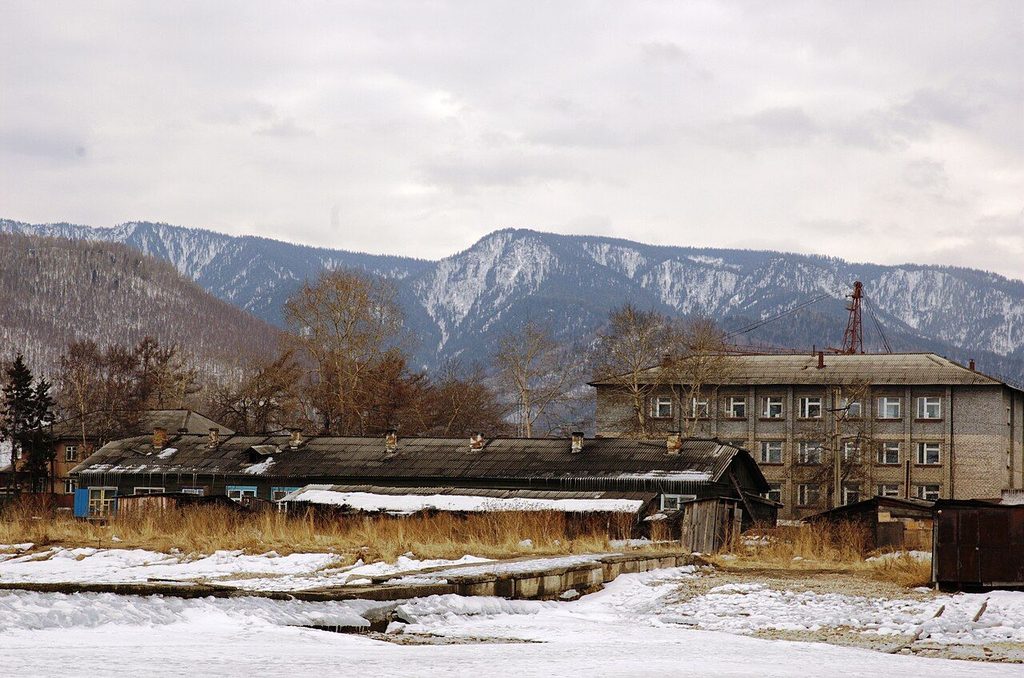 CC BY 2.0, Honza Soukup from Vanuatu
Ticks, water and weather
In late spring and early summer, ticks are active in the forests and grassland around the lake. They can carry tick-borne encephalitis and other diseases. Talk to a doctor about vaccination well before travelling, wear long clothing on walks and check yourself each evening. Our note on walking the shore says more.
The lake water is very cold, even in summer. Swim briefly and close to shore. Winds can rise quickly over the lake, especially around Olkhon and the Small Sea, and stop boats and ferries.
Further along the shore: The Circum-Baikal railway
The Trans-Siberian and the distances
The Trans-Siberian railway passes close to the lake. From Irkutsk, the line heads south over the hills and reaches Baikal at Slyudyanka, near the southern tip. It then runs along the southern shore for a long stretch before turning east. Many travellers on the railway see the lake from the train windows on this section.
Irkutsk is the usual base for the western shore. Distances from the city are long:
- Listvyanka is about seventy kilometres away by road.
- Slyudyanka and the southern end of the old Circum-Baikal line are a few hours away by road or rail.
- The ferry to Olkhon is several hours' drive to the north.
The eastern shore, in the Republic of Buryatia, is usually reached from the city of Ulan-Ude, further east on the railway. Travelling between the two sides of the lake by road takes a long time.
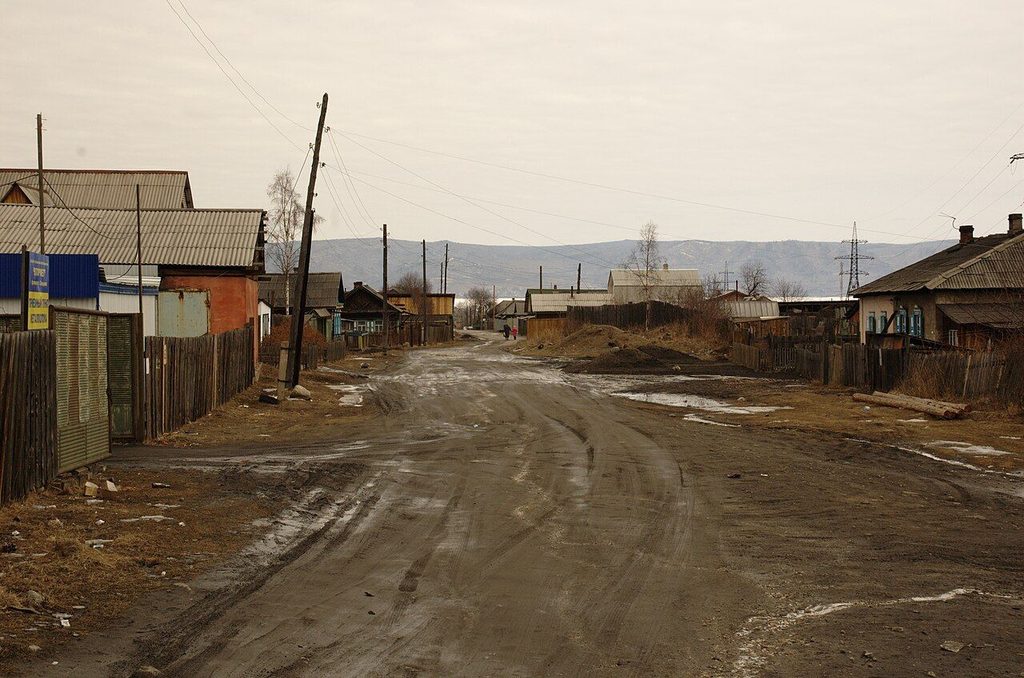 CC BY 2.0, Honza Soukup from Vanuatu
Choosing where to go
With limited time, it is best to focus. Some combinations that work well:
- Southern shore: Irkutsk, Listvyanka and the old railway. Short distances, plenty to see.
- Olkhon: the island and the Small Sea. Allow several days, including travel and spare time for weather.
- Walking: the coastal path from Listvyanka to Bolshie Koty, or sections of the railway line.
Our notes on Irkutsk and Olkhon Island describe these areas in more detail.
Travelling lightly
Baikal is a UNESCO World Heritage site, the deepest lake in the world and one of the largest stores of fresh water on earth. It is under pressure from pollution, waste and heavy visitor numbers in certain places. Take your rubbish away, use existing paths, keep soap out of the water and respect sacred places, especially on Olkhon.
Prices, timetables, opening hours and rules all change, sometimes quickly. Check the details locally and close to your travel dates.
A few small things make a big difference on the ground. Download offline maps before you arrive, because phone coverage drops away quickly once you leave towns and the main roads. Learn the Cyrillic alphabet, or at least enough to read place names on signs and stations; English is not widely spoken outside a few busy places. Carry a paper note of where you are staying and how to reach it. Keep some cash in small amounts, and do not rely on any single way of paying.
A calm, flexible plan, with spare time and room to change your mind, is the best way to see the lake.
- Getting there
- Irkutsk by rail or air
- Bring
- Layers, sturdy shoes, tick repellent, cash, offline maps