 Baikal Shore
summer
The nerpa and the omul
A seal that lives only in a freshwater lake in Siberia, a fish so famous it gave the lake its local dish, and a deep lake full of life found nowhere else on earth.
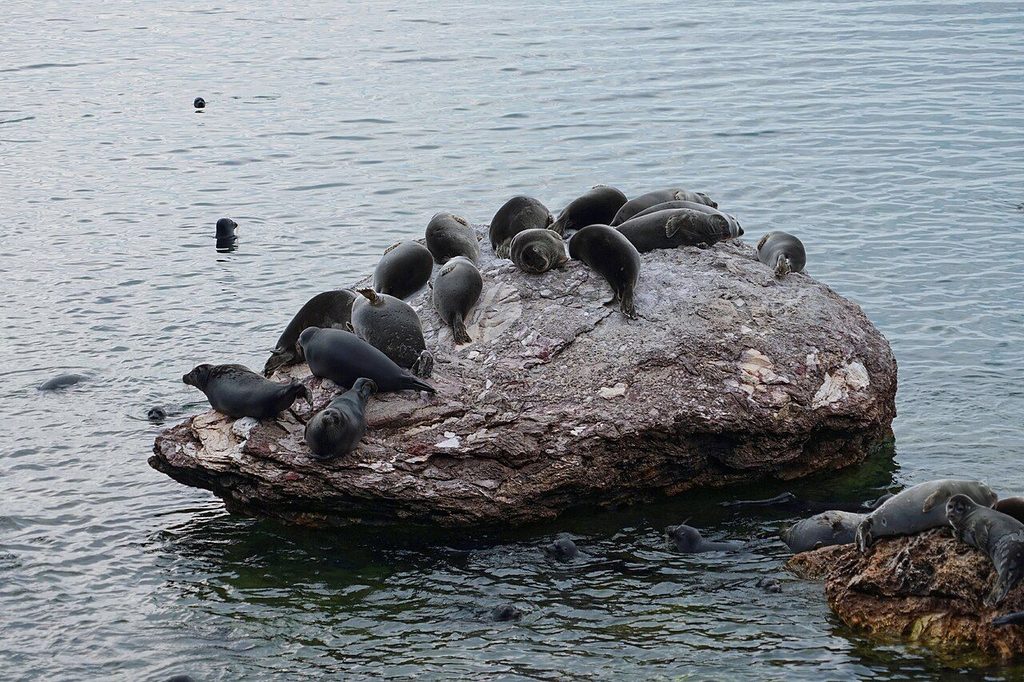 CC BY 2.0, Sergio Tittarini from Shanghai, China
Keep well back from seals hauled out on rocks. Approaching too closely, by boat or on foot, disturbs them and can drive them off their resting places.
Lake Baikal is the deepest lake in the world, reaching more than 1,600 metres, and one of the oldest. Over many millions of years, life in its cold, clear water has developed in isolation. A large share of the animals in the lake are found nowhere else. Two of them are especially well known: the nerpa, a seal, and the omul, a fish.
The nerpa
The nerpa, or Baikal seal, lives only in this lake. It is one of very few seals in the world that spend their whole lives in fresh water. It is a small seal, grey and silver, with large dark eyes adapted to seeing in deep, dim water.
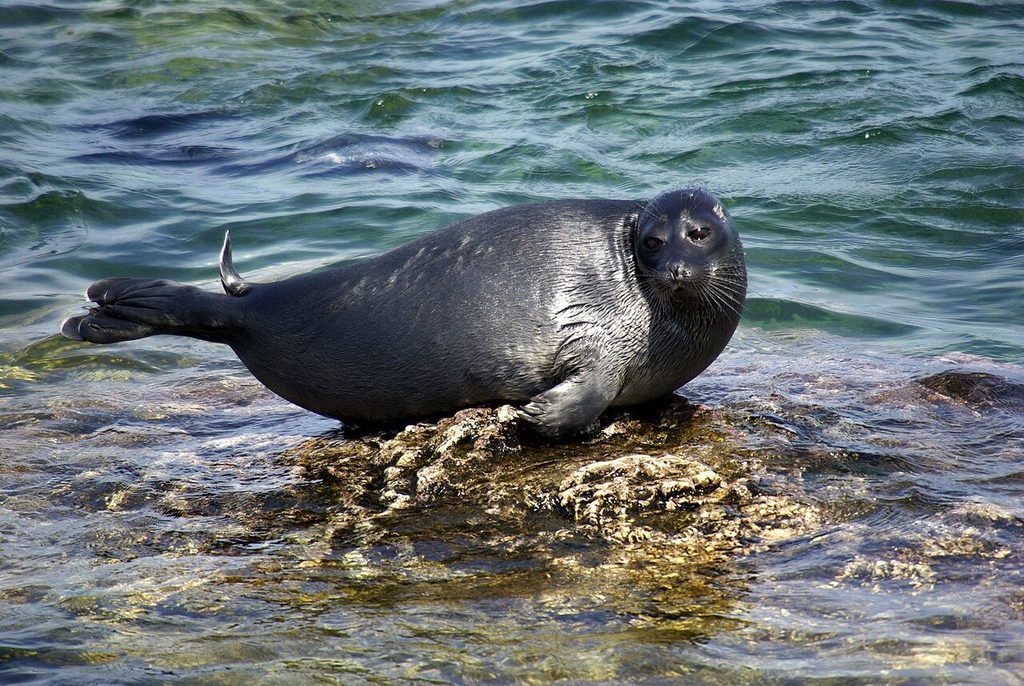 CC BY 2.0, Sergey Gabdurakhmanov from Mountain View, USA
How the seal reached the lake, thousands of kilometres from the sea, is still discussed. A widely held idea is that its ancestors travelled up river systems from the Arctic long ago, but the details remain uncertain.
The seals spend the winter under and on the ice. They keep breathing holes open by scratching at the ice with the strong claws on their front flippers. Females give birth in late winter in snow dens on the ice, which hide the pups from predators and the cold. As the ice breaks up in spring, the seals gather on it, and later on rocks along the shore.
In summer, the most famous places to see them are rocky islands in the middle of the lake, such as the Ushkan Islands, where large groups haul out on the rocks. Boat trips have run there in summer from several places around the lake, conditions permitting. Smaller numbers can be seen elsewhere along the shores. The aquariums at the lake museum in Listvyanka are another way to see them up close; see our note on Listvyanka.
Watching seals well
Seals hauled out on rocks are resting. They need that time out of the water, and they slip away quickly if disturbed.
- Keep a good distance, by boat or on foot. Use binoculars or a long lens rather than getting closer.
- Stay quiet and avoid sudden movements.
- Never feed seals or leave food or rubbish on the shore.
- Follow the rules of protected areas, which may limit where boats can go and when.
The seal has been hunted in the past, and it faces pressure from pollution and changes in the lake. It is protected under various rules, which change; check what applies before you go.
Further along the shore: Olkhon Island and Shaman Rock
The omul
The omul is a fish of the salmon family, a whitefish found only in Baikal and the rivers that feed it. For generations it has been the most important food fish of the lake, and smoked omul became one of the region's best known dishes. Fish markets along the shore, especially at Listvyanka, have long sold it hot-smoked or cold-smoked.
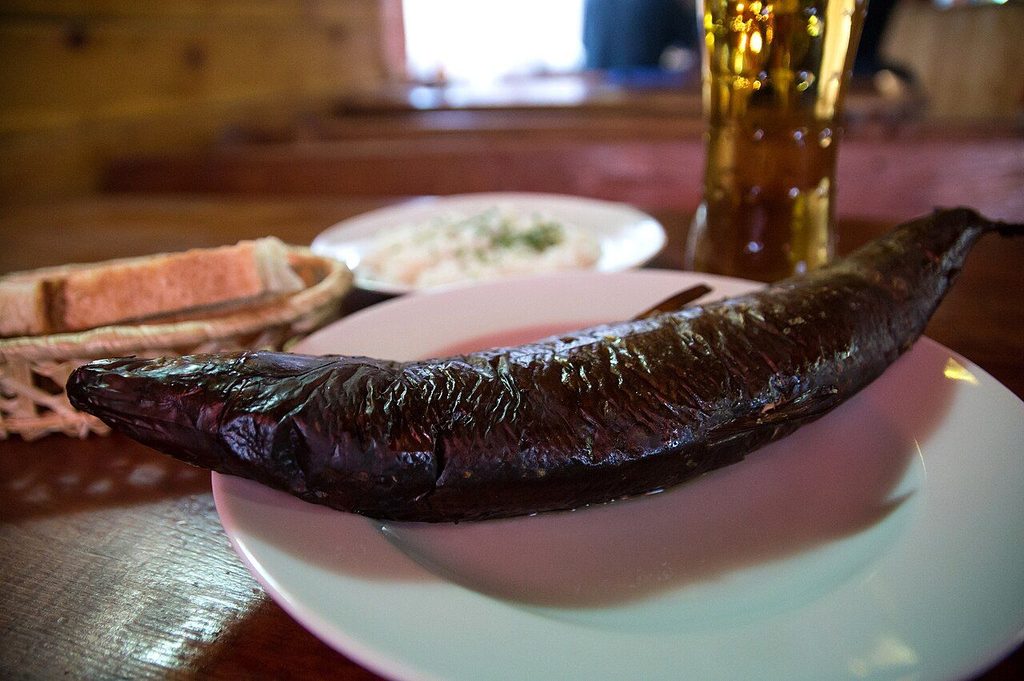 CC BY 4.0, Vyacheslav Argenberg
The omul's numbers have fallen sharply in recent decades. Overfishing, illegal catches, pollution and changes in the lake's conditions have all been blamed, and the exact balance of causes is still debated. In 2017 the authorities banned commercial fishing of omul, and catching it has been heavily restricted since then.
The rules on catching and selling omul can change. If you see it for sale, you cannot always know where it came from. Many visitors now choose to leave it, or ask carefully about its origin. Other fish from the lake and its rivers are often sold alongside it.
Other life in the deepest lake
The nerpa and the omul are the best known, but Baikal is full of species found only here. The golomyanka, or Baikal oilfish, is a small, almost transparent fish that lives at great depths and gives birth to live young rather than laying eggs. Many kinds of small crustaceans live in the lake, and one tiny species of copepod, Epischura, plays a major role in keeping the water clear by filtering it.
The lake also holds freshwater sponges, which grow like small green trees on the rocky lake bed near the shore, and many species of snails, worms and other creatures. Scientists come from around the world to study this life, and the research station at Bolshie Koty, described in our note on walking the shore, is one of the places they work.
Why it matters
Baikal is a UNESCO World Heritage site, and its unusual life is a large part of the reason. The lake holds roughly a fifth of the world's unfrozen surface fresh water, and the clarity of that water depends on the creatures that live in it. Pollution from towns and industry, changes in the water level and heavy tourism around certain shores have all put pressure on the lake.
When you visit, you can help in small ways: take your rubbish away, use toilets where they exist, keep soap and detergent out of the water, and keep your distance from wildlife. In winter, when the seals are on the ice, the same respect applies; see our note on Baikal's winter ice for safety on the frozen lake.
The nerpa watching you from a rock, dark eyes above the water, is a reminder of how long this lake has been doing its own quiet work.
- Getting there
- Boat trips from Listvyanka or Olkhon
- Bring
- Binoculars, warm layer, patience, a long lens